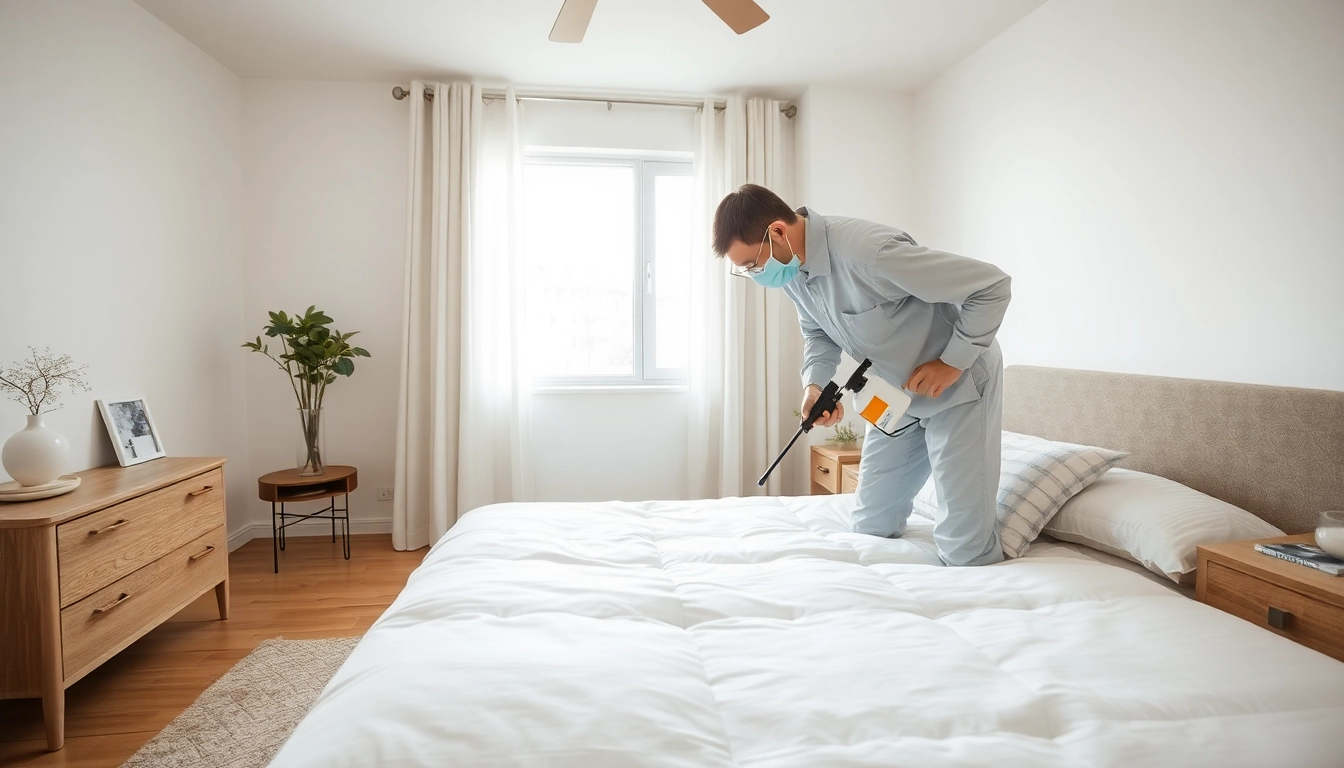
Understanding Bed Bugs and Their Impact
What Are Bed Bugs?
Bed bugs are small, wingless insects belonging to the Cimicidae family that primarily feed on the blood of humans and other warm-blooded animals. Adult bed bugs are reddish-brown, about the size of an apple seed, and are known for their flat bodies, which allow them to hide in tiny crevices and bedding. Their infestations often occur in homes, hotels, and other places where humans reside, and they are nocturnal creatures that emerge at night to feed.
Signs of Bed Bug Infestation
Identifying a bed bug infestation can be challenging due to their elusive nature. Common signs include:
- Visible bugs or shed skins in cracks, seams, and bedding.
- Small reddish-brown stains on mattresses, sheets, or walls, which are caused by their fecal matter.
- Itchy welts or bites on the skin, often clustered together.
- Unpleasant musty odor emanating from heavily infested areas.
If you notice any of these signs, it's crucial to act promptly to prevent the infestation from spreading.
Health Issues Associated with Bed Bugs
Bed bugs are not believed to transmit diseases directly; however, their bites can result in various health issues. These include:
- Itching and allergic reactions, leading to significant discomfort.
- Secondary infections from excessive scratching of bites.
- Sleep disturbances, anxiety, and emotional distress from the fear of infestations.
Understanding the health concerns linked with bed bugs underscores the importance of effective bed bug treatment methods.
Preparing for Bed Bug Treatment
Initial Inspection Steps
Before commencing any treatment, a thorough inspection is essential. This will help identify the extent of the infestation and the best course of action. Key steps include:
- Inspecting all sleeping areas, including mattresses, box springs, and bed frames. Use a flashlight to illuminate hidden areas.
- Examining surrounding furniture, carpets, and even electrical outlets for evidence of bed bugs.
- Checking personal belongings such as luggage, backpacks, and clothing, especially after travel.
Creating a Treatment Plan
Once you confirm the presence of bed bugs, you should create a structured treatment plan. This plan should detail:
- The treatment methods you intend to use, whether professional services or DIY solutions.
- A timeline for treatment, including follow-ups to monitor progress.
- Strategies for ongoing monitoring and prevention of future infestations.
Safety Precautions for Homeowners
Safety should be a priority during bed bug treatment. Consider the following precautions:
- Apply pesticides judiciously and according to instructions if using commercial treatments.
- Protect your skin and face by wearing gloves and a mask during DIY treatments.
- Keep pets and children away from treated areas until it is safe to return.
Types of Bed Bug Treatment Options
Heat Treatment: How It Works
Heat treatment is a highly effective approach for eradicating bed bugs. This method involves raising the temperature in infested areas to levels lethal to the insects (typically above 120°F). Key points about heat treatment:
- It can penetrate furniture, bed frames, and even walls, reaching bed bugs in their hiding spots.
- Heat treatments kill all life stages of bed bugs, including eggs, providing a comprehensive solution.
- Professional services often conduct heat treatment, utilizing specialized equipment to ensure efficacy.
Chemical Treatment Methods
Chemical treatments involve the use of insecticides that target bed bugs. These treatments can be effective, but they also require careful application:
- Insecticides must be registered for use against bed bugs and applied precisely to affected areas.
- Multiple applications may be necessary to ensure all bed bugs, including those in hiding, are eradicated.
- Alternating types of insecticides can help prevent bed bugs from developing resistance.
DIY Solutions: Pros and Cons
Many homeowners consider DIY options for bed bug treatment. While some solutions can be effective, they come with advantages and disadvantages:
- Pros include lower costs compared to professional services and the ability to treat at your convenience.
- Cons typically involve the likelihood of partial extermination, as most DIY methods may not reach all hiding places.
- Home remedies, such as diatomaceous earth, offer a non-toxic alternative but require consistent application and monitoring.
Post-Treatment Care and Prevention
Monitoring for Remaining Bed Bugs
After treatment, continuous monitoring is vital. People should check for the following:
- Regular inspections for bites or signs of active bed bugs.
- Placing mattress encasements to prevent re-infestation.
- Consider using bed bug monitors, which can help detect activity.
Tips for Preventing Future Infestations
Preventive measures are crucial for maintaining a bed bug-free home. Consider these strategies:
- Be cautious when traveling; always inspect hotel beds and surroundings upon arrival.
- When returning home from travel, wash and dry clothes on high heat to kill any invading bugs.
- Regularly vacuum and clean your home, focusing on high-risk areas.
When to Seek Professional Help
If the situation becomes overwhelming or the infestation persists despite your efforts, it may be time to seek professional assistance. Noteworthy indicators include:
- Noticing an increase in bites or infestations after treatment.
- Finding bed bugs in multiple rooms or areas of your home.
- Having difficulty accessing narrow spaces where insects might be hiding.
Frequently Asked Questions
What is the fastest way to eliminate bed bugs?
Heat treatments are often the quickest method, capable of killing bed bugs and their eggs within a short time frame when executed properly.
Can I treat bed bugs myself?
Yes, but DIY treatments may be less effective than professional services, especially for large infestations or in hard-to-reach areas.
How often should I check for bed bugs?
It’s advisable to check your sleeping areas and luggage regularly, especially after travel or in high-risk locations.
What should I do if I have bed bugs in my luggage?
Vacuum your luggage thoroughly and wash items in hot water. Consider using heat treatment on non-washable items.
How long does treatment take?
Bed bug treatment time varies depending on the method used and severity of infestation, typically requiring several hours to a few days.