Understanding Bed Bugs: The Basics
What Are Bed Bugs?
Bed bugs are small, parasitic insects that feed on the blood of humans and animals. Generally nocturnal, these pests are known for their ability to hide in tight crevices and can be found in various places, including homes, hotels, and public transportation. Adult bed bugs are about the size of an apple seed and can range in color from light brown to reddish-brown after feeding. Their flat bodies allow them to hide easily in mattresses, bed frames, and furniture, making detection challenging without careful inspection.
Common Signs of Infestation
Identifying a bed bug infestation early can save homeowners considerable time and money. Common signs include:
- Small, red, itchy bites on exposed skin, usually clustered together.
- Dark spots on bedding or furniture, which are bed bug excrement.
- Shell casings or molted skins left behind after nymphs mature.
- A sweet, musty odor emitted by these insects or their eggs.
Why Bed Bugs Are a Problem
Beyond the discomfort of bites, bed bugs can lead to significant stress and anxiety for those affected. Their resilient nature means that infestations can spread rapidly, and attempts to treat them without professional help often result in incomplete eradication. Moreover, the stigma associated with bed bug infestations can affect social interactions and housing situations.
How Bed Bug Exterminators Operate
Initial Inspection Process
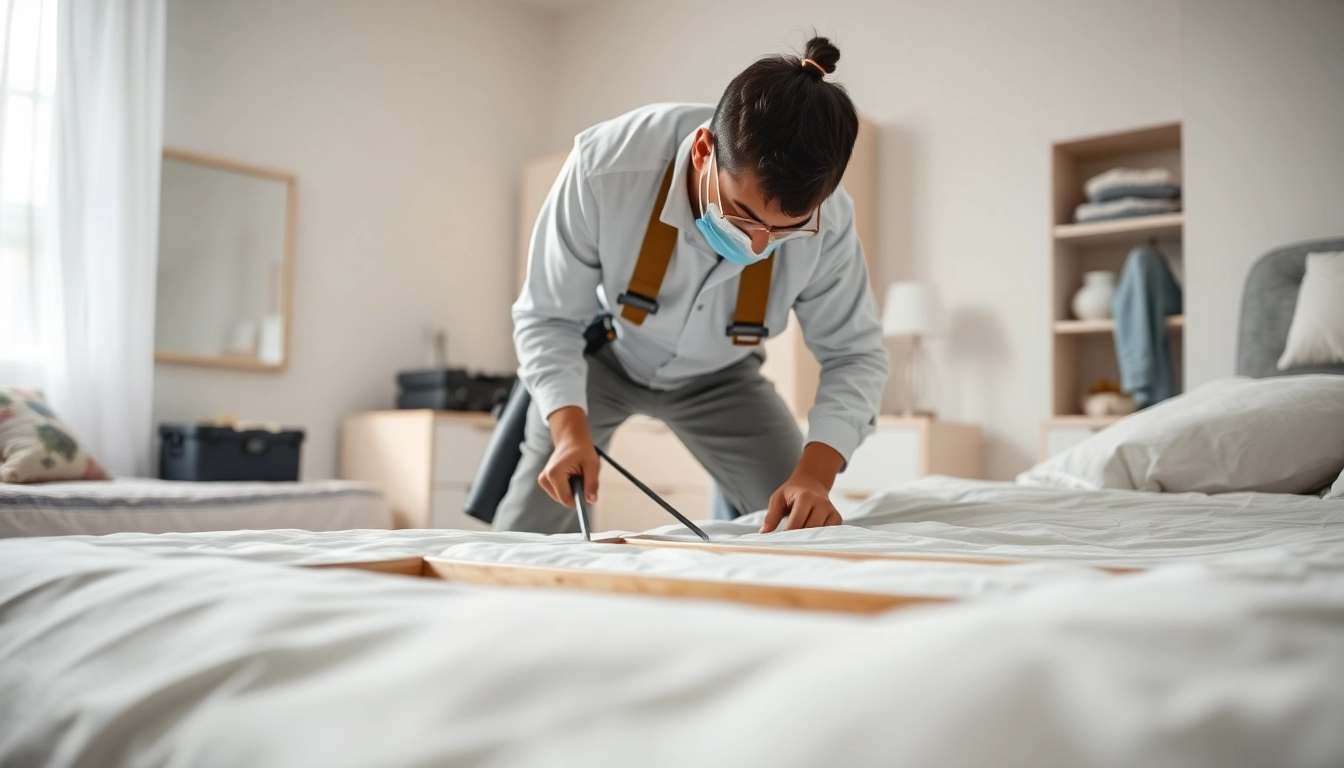
The role of bed bug exterminators begins with a thorough inspection of the affected area. Exterminators look for signs of bed bugs in common hiding spots like seams of mattresses, box springs, and even behind wallpaper. Specific techniques include visual inspections, the use of specialized tools, and sometimes dogs trained to detect these pests.
Treatment Methods Explained
Once an infestation has been confirmed, exterminators employ several treatment methods. The most common include:
- Heat Treatment: This involves raising the temperature in the affected area to a level that is lethal to bed bugs, typically around 118°F.
- Chemical Treatments: Various pesticides are used, customized based on the severity of the infestation. Professionals use a combination of sprays, dusts, and residual treatments for effective control.
- Integrated Pest Management (IPM): This holistic approach combines various treatment methods, focusing on long-term prevention strategies.
Importance of Professional Exterminators
Hiring professional bed bug exterminators is essential for effectively eliminating bed bugs. Their expertise allows for tailored treatment plans that consider the unique aspects of each infestation. Additionally, licensed exterminators have access to more potent pesticides and methods unavailable to the average homeowner, ensuring a higher success rate in eradicating these stubborn pests.
Preventing Bed Bug Infestations
Tips for Homeowners
To reduce the risk of bed bug infestations, homeowners should follow these practical guidelines:
- Regularly inspect your home, especially areas where pets sleep.
- Seal cracks and crevices in walls and furniture to minimize hiding spots.
- Use protective covers on mattresses and box springs.
Travel Safety Precautions
Travel is a common way that bed bugs spread, so following safety precautions while on the go is crucial. Always inspect hotel rooms upon arrival, especially the mattress seams and furniture. Keep luggage off the floor and use luggage racks. If you suspect a room is infested, request a different room away from the suspected area.
Maintaining a Bed Bug-Free Environment
Staying diligent is key to maintaining a bed bug-free home. Regularly wash bedding and vacuum your living space to eliminate potential hiding spots. If encountering second-hand items, inspect them thoroughly before bringing them inside.
Cost and Value of Bed Bug Extermination
Understanding Pricing Structures
The cost of bed bug extermination can vary widely based on the severity of the infestation, the methods used, and the size of the home. Typical costs may range from $300 to $2,500, depending on various factors such as treatments required and the geographic area. Understanding these nuances helps homeowners plan their budgets accordingly.
Evaluating Treatment Effectiveness
After treatment, evaluating the effectiveness is crucial for long-term pest management. This can involve follow-up inspections and monitoring for any remaining signs of bed bugs. The timing of these evaluations can influence how effectively any remaining pests are controlled.
Long-Term Financial Considerations
While the initial investment in professional bed bug exterminators can be significant, the long-term savings are often worth it. Addressing infestations promptly can prevent property damage and other related costs, such as medical expenses from bites or potential impacts on property value.
FAQs About Bed Bug Extermination
Are bed bug exterminators worth the investment?
Yes, investing in bed bug exterminators can save you from extensive damages and help ensure effective removal. Their expertise helps avoid further infestations and associated costs.
How long does a bed bug treatment take?
The time for treatment varies based on the infestation level. Initial treatments can take a few hours, while complete eradication might require several visits over weeks.
What should I do to prepare for a treatment?
Preparation includes decluttering the treatment area, washing bedding in hot water, and vacuuming to eliminate potential hiding spots, making the extermination process more effective.
How often should I schedule an inspection?
It is advisable to schedule inspections at least once a year, or more frequently if you travel often or suspect an infestation.
Are treatments safe for pets and children?
Most professional treatments are designed to be safe for pets and children, but it’s essential to follow the exterminator's recommendations about vacating the area during and after treatment.