Understanding Containerized Wastewater Treatment Systems
Containerized wastewater treatment systems are becoming increasingly vital in addressing diverse water treatment challenges across various sectors. As environmental regulations tighten and the need for efficient water management grows, these innovative solutions offer a practical, effective response to the pressing issues of wastewater treatment. This comprehensive guide delves into the intricacies of containerized systems, highlighting their applications, advantages, and the pivotal role they play in sustainable water management. When exploring options, Wastewater Treatment System Manufacturers provide comprehensive insights into how these systems can meet specific needs.
What Are Containerized Wastewater Treatment Systems?
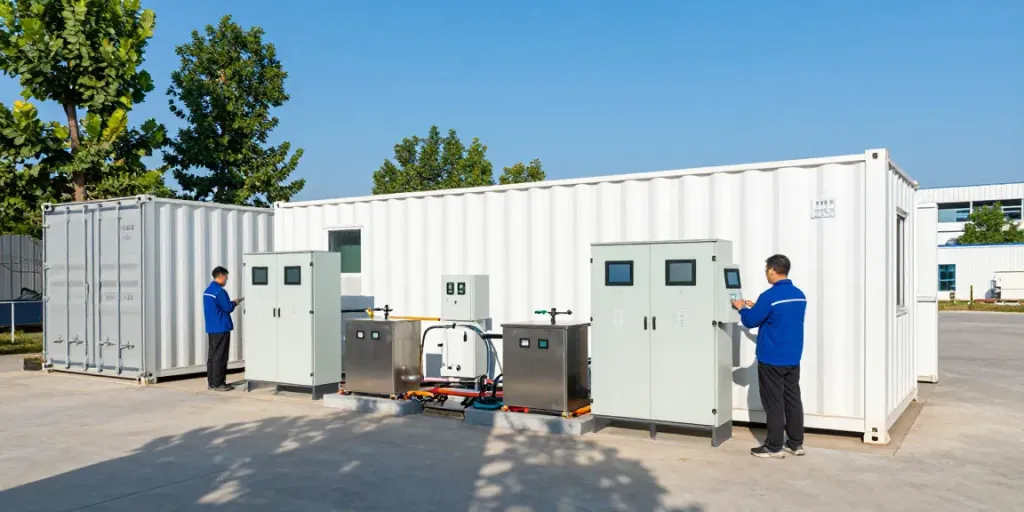
Containerized wastewater treatment systems are modular, pre-engineered units designed to treat wastewater effectively. Housed within standard shipping containers—typically 20 or 40 feet in length—these systems are built for rapid deployment. They can treat a plethora of wastewater types, from domestic sewage to complex industrial effluents, making them versatile for different applications. The design allows for easy transport, installation, and setup, which is essential for businesses that require quick solutions to evolving water treatment needs.
Key Applications and Uses
The versatility of containerized wastewater treatment systems enables their application across various sectors, including:
- Residential Areas: These systems are ideal for small communities and residential developments, providing a compact solution for treating household sewage.
- Construction Sites: Temporary setups can be deployed on-site to manage wastewater generated during construction projects.
- Industrial Facilities: Industries producing complex effluents can utilize containerized systems for effective treatment that meets regulatory compliance.
- Remote Locations: In areas lacking established infrastructure, such systems provide a practical solution for wastewater management.
How They Comply with Environmental Standards
Containerized systems are designed to meet or exceed environmental regulations, ensuring that treated water is safe for discharge or reuse. They incorporate advanced treatment technologies, such as membrane bio-reactors and advanced oxidation processes, which enhance the effectiveness of wastewater treatment while minimizing environmental impact. By utilizing these technologies, operators can achieve compliance with national and local environmental standards, thus promoting sustainable practices.
Advantages of Containerized Systems
Rapid Deployment and Installation Benefits
One of the standout features of containerized wastewater treatment systems is their rapid deployment capability. These systems can be set up within days, with minimal site preparation required. The installation process typically involves:
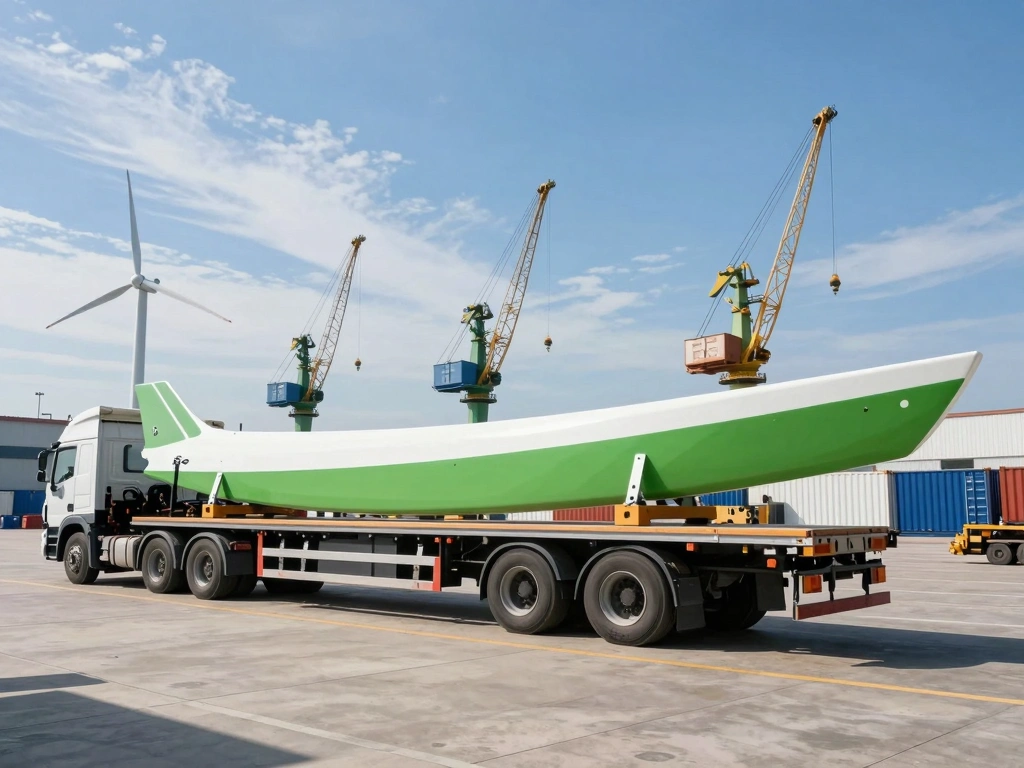
- Transporting the container to the site using a flatbed truck.
- Positioning the container with a crane.
- Connecting necessary utilities, such as power and water supply.
This swift setup is crucial for industries and municipalities facing urgent wastewater treatment needs or during emergency situations.
Modular Design for Various Treatment Needs
The modular nature of these systems allows them to be tailored to specific wastewater treatment requirements. Each unit can be configured with various treatment technologies, depending on the type of effluent being processed. For instance, systems can be equipped with:
- Filtration Systems: To remove solid contaminants.
- Biological Treatment Units: To breakdown organic matter using microorganisms.
- Chemical Treatment Processes: To neutralize harmful substances.
This flexibility ensures that businesses can scale their operations up or down based on demand without compromising on efficiency or compliance.
Cost-Effectiveness and Operational Flexibility
Containerized systems often represent a cost-effective solution for wastewater management. The reduced time and labor required for installation lead to lower upfront costs, while their modular design allows for easy upgrades and expansions. Moreover, operational flexibility is a significant advantage, as these systems can be relocated and redeployed based on changing site conditions or needs, making them ideal for temporary projects or changing operational landscapes.
Choosing the Right Manufacturer
Factors to Consider When Selecting Manufacturers
When selecting a manufacturer for containerized wastewater treatment systems, several factors should be considered to ensure optimal performance and compliance:
- Experience and Expertise: Look for manufacturers with a proven track record in the industry and expertise in various treatment technologies.
- Customization Options: The ability to customize the system based on specific wastewater characteristics is crucial for achieving the best results.
- After-Sales Support: A reliable support system for maintenance and troubleshooting can significantly enhance system longevity and efficiency.
- Compliance Certifications: Ensure that the manufacturer’s solutions comply with relevant local and international environmental standards.
Comparison of Leading Wastewater Treatment System Manufacturers
The market is saturated with wastewater treatment system manufacturers; however, not all provide the same level of quality and service. Below is a brief comparison of some leading companies:
- Veolia: Known for its extensive range of solutions and global presence, Veolia specializes in advanced wastewater treatment technologies.
- Xylem: Provides innovative and sustainable solutions that cater to diverse industrial applications.
- Evoqua: Focuses on providing technologies that enhance the efficiency and reliability of wastewater treatment processes.
Researching and comparing these manufacturers can lead to informed decisions that align with specific water treatment requirements.
Case Studies of Successful Installations
Practical examples of successful installations can provide insightful lessons for potential users. For instance, a containerized wastewater treatment system deployed at a remote mining site drastically improved water management without the need for extensive infrastructure development. The system was operational within a week of arrival, showcasing the efficiency and effectiveness of modular solutions in real-world scenarios.
Common Challenges in Wastewater Treatment
Addressing Operational Issues
While containerized wastewater treatment systems offer numerous benefits, they are not without challenges. Common operational issues include:
- Maintenance Requirements: Regular maintenance is crucial to ensure optimal performance and longevity.
- Operator Training: Staff must be trained to operate the system effectively and respond to potential issues.
- Wastewater Variability: Inconsistent wastewater quality can challenge treatment efficacy, requiring adaptability in treatment processes.
Addressing these challenges through proactive management and training can enhance the overall effectiveness of containerized systems.
Myths about Wastewater Treatment Systems
Several misconceptions can deter businesses from considering containerized solutions. Common myths include:
- Cost: Many believe that advanced systems are prohibitively expensive, overlooking long-term savings.
- Performance: There is a notion that containerized systems cannot match the efficiency of traditional large plants, which is misleading as technology advances.
- Regulatory Compliance: Some think that smaller systems are exempt from regulations, but all systems must comply with local environmental standards.
Dispelling these myths is essential for informed decision-making in wastewater management.
Best Practices for Maintenance and Operation
To ensure peak performance of containerized wastewater treatment systems, adhering to best practices is vital:
- Regular Inspections: Schedule routine checks to identify and rectify any operational issues early.
- Staff Training: Provide ongoing education to operators regarding system functionality and troubleshooting.
- Data Monitoring: Implement monitoring systems that provide real-time data to optimize treatment processes.
By following these practices, facilities can improve their wastewater management efficacy and compliance significantly.
Future Trends in Wastewater Treatment Solutions
Innovations Shaping the Industry
The future of wastewater treatment is poised for transformation through emerging technologies. Innovations such as:
- Smart Technology: Incorporating IoT devices for monitoring and controlling treatment processes in real time.
- Biodegradable Materials: Reducing the impact of wastewater treatment on ecosystems by integrating biodegradable components into treatment systems.
- Energy Recovery Systems: Developing technologies that not only treat wastewater but also generate energy from waste materials.
These innovations will drive the industry towards more sustainable and efficient practices.
Regulatory Changes and Their Impact
As climate change initiatives gain momentum, regulatory frameworks surrounding wastewater treatment are evolving. Stricter discharge standards and incentives for implementing sustainable systems are expected to shape purchasing decisions in the coming years. Keeping abreast of these regulations will be essential for manufacturers and operators to ensure compliance and sustainability.
Predictions for 2026 and Beyond
Looking ahead, the wastewater treatment industry is likely to see significant growth and transformation. Predictions include:
- Increased Adoption of Containerized Systems: Growing awareness of their benefits will drive demand.
- Enhanced Regulatory Compliance: As governments tighten regulations, the need for compliant systems will become more critical.
- Focus on Decentralized Treatment Solutions: The push for decentralized systems will lead to greater reliance on modular containerized solutions.
These trends indicate a dynamic future for containerized wastewater treatment systems, reflecting an industry's shift towards sustainability and efficiency.
FAQs
What are the top 10 largest wastewater treatment plants in the USA?
The largest wastewater treatment plants in the USA, such as the Hyperion Treatment Plant in Los Angeles and the Stickney Water Reclamation Plant in Chicago, represent the scale at which modern facilities operate to manage urban wastewater challenges.
Who are the largest water treatment companies?
Leading water treatment companies include Veolia, SUEZ, and Xylem, known for their comprehensive approaches to both wastewater and potable water treatment solutions.
What are some popular brands of wastewater pumps?
Brands like Grundfos, Zoeller, and Gorman-Rupp are well-regarded in the industry for their effective wastewater pumps.
What is the best sewage treatment system?
The best sewage treatment system is contingent on specific needs, such as location, volume of waste, and regulatory requirements, with containerized solutions often being favored for flexibility and efficiency.
How do I choose the right wastewater treatment system?
Choosing the right wastewater treatment system involves evaluating your specific needs, the type of wastewater, compliance requirements, and available budget, as well as consulting with experienced Wastewater Treatment System Manufacturers.