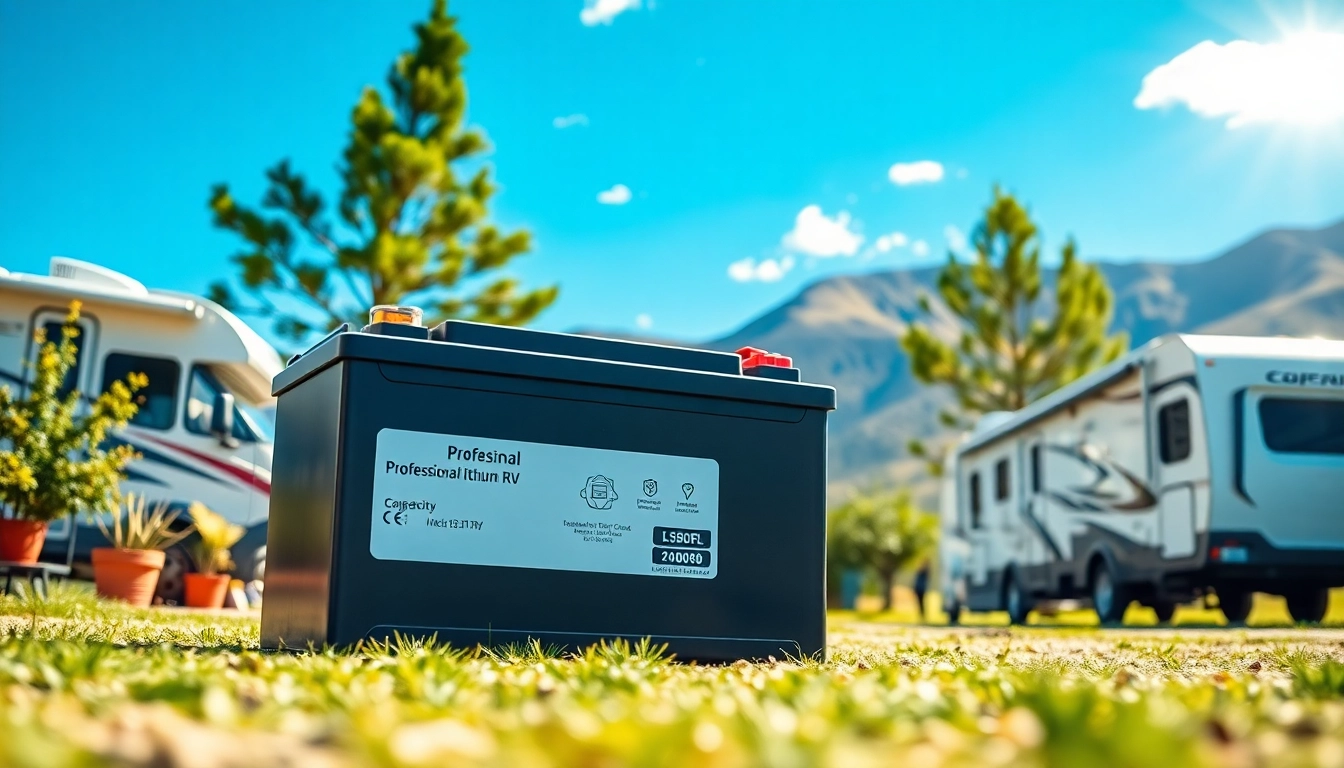
Understanding Lithium RV Batteries
What are Lithium RV Batteries?
Lithium RV batteries are specialized power sources designed for various recreational vehicles, including campers and motorhomes. Utilizing lithium iron phosphate (LiFePO4) technology, these batteries are lighter, more efficient, and have a longer lifespan compared to traditional lead-acid batteries. Their design allows them to provide a consistent power output even at low states of charge, making them particularly ideal for off-grid adventures. If you're considering upgrading, exploring lithium RV batteries can help power everything from appliances to lighting, ensuring your travels remain uninterrupted.
How Do Lithium RV Batteries Work?
The operation of lithium RV batteries centers around the principles of lithium-ion technology. Inside these batteries, lithium ions move between the anode and cathode during charging and discharging cycles. When energy is demanded by your RV's electrical systems, lithium ions release from the anode and travel to the cathode, generating electrical energy. This process allows lithium batteries to charge and discharge efficiently, with quicker recharge times and higher cycle counts compared to typical lead-acid batteries. Additionally, lithium RV batteries come equipped with built-in Battery Management Systems (BMS) that monitor voltage, temperature, and state of charge, ensuring safe operation and longevity.
Benefits of Using Lithium RV Batteries
- Longer Lifespan: Lithium RV batteries can last up to 10 years or more, significantly outliving lead-acid alternatives.
- Lightweight Design: These batteries are approximately half the weight of lead-acid batteries, making them easier to handle and install.
- Faster Charging: Lithium batteries typically charge to full capacity in 2 to 4 hours compared to 8 to 12 hours for lead-acid batteries.
- Deeper Discharge Rates: Lithium batteries can be discharged up to 80-100% of their capacity without risking damage, unlike lead-acid batteries which should not be discharged below 50%.
- Consistent Performance: They deliver steady power output regardless of charge, which is crucial for appliances that require a constant energy supply.
Choosing the Right Lithium RV Batteries
Key Specifications to Consider
When selecting lithium RV batteries, it's essential to consider several key specifications to ensure compatibility and efficiency:
- Voltage: Common RV battery voltages are 12V, 24V, and 48V, with 12V being the most popular. Ensure that the voltage matches your RV's specifications.
- Capacity: Measured in amp-hours (Ah), a higher capacity indicates the battery can run appliances longer. Determine your power needs to choose the right capacity.
- Weight: Consider the weight of the battery for proper installation and handling. Lithium batteries are lighter than lead-acid options.
- Warranty: Check warranty lengths, as they often reflect the manufacturer’s confidence in their product. Look for warranties of at least 5 years.
- Temperature Range: Ensure the battery can operate in the temperature ranges typical for your RV use—hot or cold climates impact performance.
Different Types of Lithium RV Batteries
There are various types of Vatrer Power lithium RV batteries available in the market, with LiFePO4 being the most popular type for RV applications. Here's a breakdown:
- LiFePO4 Batteries: Known for safety and thermal stability, LiFePO4 batteries are ideal for RVs, offering long lifespan and high efficiency.
- Lithium Polymer (Li-Po): While lighter and more powerful, Li-Po batteries tend to be more expensive and less stable than LiFePO4.
- Lithium-ion: This category includes various subtypes but generally provides good performance and comparatively shorter life than LiFePO4.
Budgeting for Lithium RV Batteries
When budgeting for lithium RV batteries, keep in mind the initial costs may be higher than lead-acid batteries. However, over time, the savings in maintenance, replacement, and overall performance can offset these initial expenses significantly. A quality lithium RV battery can range from $800 to $3,000, depending on the capacity, brand, and features. Consider not only the purchase price but also potential installation costs, as professional installation may be advisable for certain systems. Factor in your usage patterns, as frequent use may justify a larger investment upfront.
Installation and Maintenance
Installing Lithium RV Batteries Safely
Safety during installation is paramount. Begin by ensuring the RV is powered off and grounded. The general steps for installation include:
- Identify the installation location, ensuring adequate ventilation.
- Disconnect the existing battery system, starting with the negative terminal.
- Securely mount the lithium battery in place, ensuring it is stable and free from moisture.
- Connect the battery terminals, starting with the positive side to avoid shorts.
- Double-check connections and ensure all cables are secure.
If you feel uncertain, hiring a professional is a wise choice to avoid potential hazards.
Routine Maintenance Tips
Maintaining lithium RV batteries is simpler than traditional batteries, but still crucial for longevity:
- Regularly inspect connections for corrosion or loosening and tighten as necessary.
- Keep batteries clean and free from dust and dirt to prevent overheating.
- Check the state of charge regularly using a Battery Management System (BMS), ensuring that the batt er charging system is functioning properly.
- Store batteries in a cool, dry place when not in use, ideally at 50-70% charge for optimal lifespan.
- Follow manufacturer recommendations for software updates and diagnostic checks if applicable.
Troubleshooting Common Issues
Even with proper care, issues can arise. Here are some common problems and their solutions:
- Battery Won't Charge: Check connections, ensure the charger is functioning, and inspect the battery's BMS for alerts.
- Low Power Output: This could indicate an undercharged battery; ensure proper charging protocols are followed.
- Overheating: Ensure proper ventilation around the battery and verify that the charger is not malfunctioning.
Using Lithium RV Batteries Effectively
Optimal Usage for Energy Efficiency
To maximize the efficiency of lithium RV batteries, consider these tips:
- Utilize energy-efficient appliances and LED lighting to reduce power consumption.
- Monitor your energy usage through apps or onboard systems to understand your daily consumption patterns.
- Regularly calibrate your systems for accurate readings on battery status and consumption.
Combining Lithium RV Batteries with Solar Power
Integrating solar panels with your lithium RV battery system is an excellent way to enhance energy independence. Ensure that the solar setup is compatible with your battery's voltage and capacity. Proper solar management systems can regulate charging and prevent overcharging. This combination not only sustains your energy needs during trips but also contributes to an eco-friendlier lifestyle while on the road.
Maximizing Battery Lifespan and Performance
To increase both the lifespan and performance of your lithium RV batteries:
- Avoid fully discharging the battery regularly; aim to maintain a charge between 20% to 80%.
- Charge using a smart charger suited for lithium technologies to prevent overcharging.
- Check for any firmware updates for your battery management system, as enhancements can improve functionality.
Common Questions About Lithium RV Batteries
Are Lithium Batteries Worth the Investment?
Yes, lithium batteries typically offer a longer lifespan, higher efficiency, and lower overall costs compared to traditional options, especially for frequent travelers or boondockers.
How Long Do Lithium RV Batteries Last?
On average, lithium RV batteries last between 8 to 10 years, depending on usage and maintenance practices, significantly outlasting lead-acid batteries.
Can You Use Lithium Batteries with Traditional RV Systems?
Yes, lithium batteries can be integrated into traditional RV systems, but adjustments to the charging system may be necessary to ensure compatibility and safety.
How Do Lithium RV Batteries Perform in Cold Weather?
12V 300Ah Lithium Batterycan perform well in cold weather, though extreme temperatures may reduce capacity. Using insulated battery boxes can aid performance in colder climates.
What is the Best Way to Charge a Lithium RV Battery?
The best way to charge a lithium RV battery is through a dedicated lithium battery charger, which regulates the charging process to prevent overvoltage and overheating.