Introduction to Forklift and Its Importance
A forklift, also known as an industrial truck or lift truck, is an essential tool in various industries worldwide. It plays a pivotal role in material handling, allowing for the easy transport, lifting, and stacking of heavy loads. This article aims to delve into the importance of forklift operations, exploring its characteristics, applications, and emerging trends that shape the future of industrial operations.
What is a Forklift?
A forklift is a powered industrial truck designed to lift and move materials over short distances. It is equipped with a forked platform at the front, which can be raised and lowered, allowing it to pick up and transport goods. Forklifts can be powered by electricity or internal combustion engines and are available in various sizes and configurations to suit different material handling needs.
The Role of Forklift in Various Industries
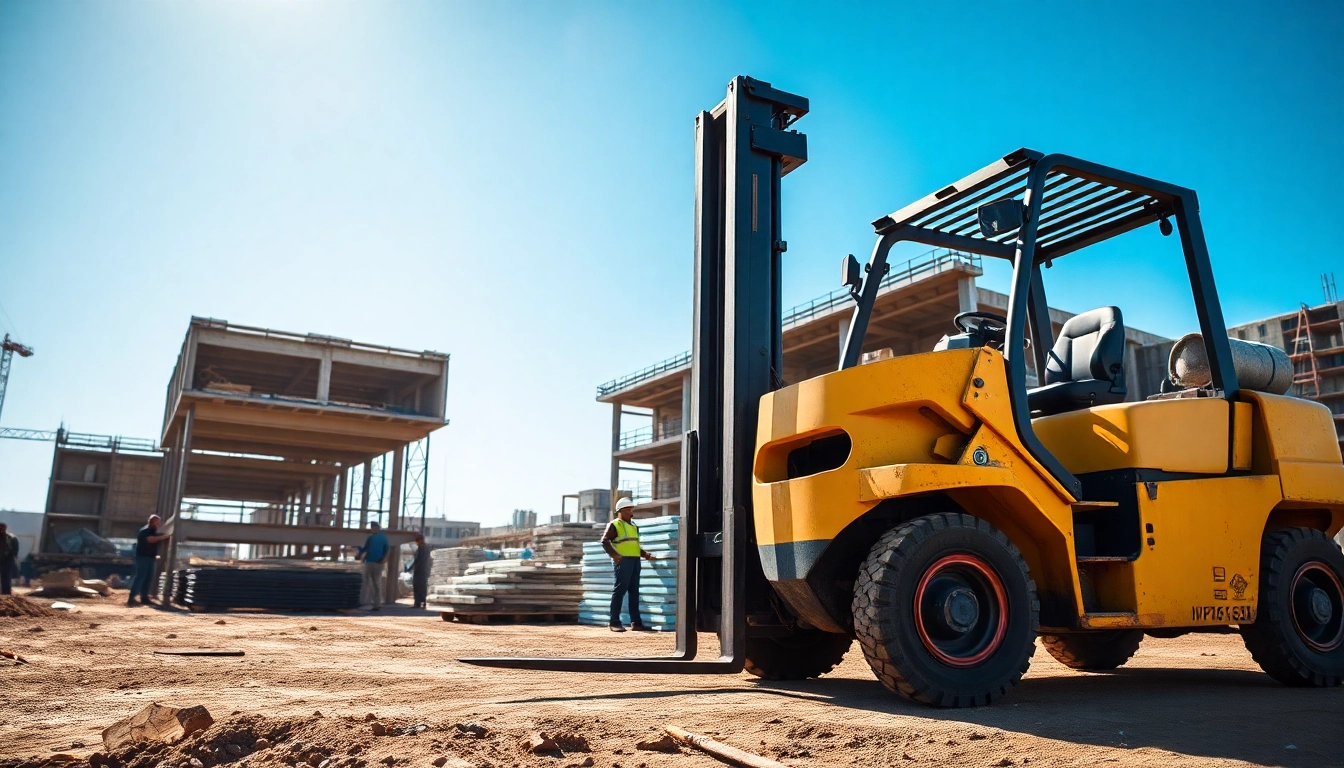
Forklifts are utilized across a multitude of sectors including warehousing, construction, manufacturing, and retail. In warehouses, they facilitate the efficient stacking and retrieval of pallets. In construction, forklifts are crucial for moving heavy supplies and equipment. Their versatility across industries makes them invaluable for enhancing productivity and ensuring smoother operations.
Key Benefits of Using a Forklift
The advantages of utilizing a forklift are numerous:
- Increased Efficiency: Forklifts dramatically reduce the time required to move materials, leading to enhanced operational efficiency.
- Improved Safety: Modern forklifts are designed with safety features that help minimize workplace accidents.
- Enhanced Load Management: Forklifts allow for precise stacking and transporting, optimizing warehouse space.
- Labor Savings: By handling heavy lifting tasks, forklifts help reduce labor costs and improve workforce productivity.
Types of Forklift and Their Applications
Electric Forklift Features and Uses
Electric forklifts are powered by batteries and are ideal for indoor use due to their lack of emissions and quieter operation. They are typically more cost-effective in terms of maintenance and energy consumption in comparison to internal combustion forklifts. Common applications include:
- Warehouses where emissions are a concern
- Narrow aisles or confined spaces
- Retail environments for stock replenishment
Internal Combustion Forklift Overview
Internal combustion (IC) forklifts operate on gasoline, propane, or diesel. They are best suited for outdoor applications due to their robust power and ability to handle rough terrain. Key characteristics include:
- Higher lifting capacity compared to electric models
- Utilization in construction sites, lumber yards, and other outdoor environments
- Generally, more durable for demanding tasks
Specialized Forklift Types for Unique Tasks
Besides standard forklifts, several specialized types are designed for specific tasks:
- Reach Trucks: These are designed for narrow aisles and can extend forks into high racks.
- Pallet Jacks: Used for moving pallets and smaller loads within a warehouse.
- Telehandler Forklifts: These can extend their arms to reach high places, ideal for construction and agriculture.
Choosing the Right Forklift for Your Needs
Capacity and Size Considerations
When selecting a forklift, understanding the weight capacity is crucial. Forklifts can typically lift loads between 3,000 to 15,000 pounds, though there are models that can handle more. Evaluating the size of the operational space will also determine whether a standard or compact model is necessary.
Assessing Operating Environments
The environment in which the forklift will operate significantly influences the choice of model. Factors such as surface type (smooth vs. rough terrain), indoor vs. outdoor use, and potential hazards should all be taken into consideration. For instance, electric forklifts are optimal for indoors, while IC types excel outdoors.
Cost Factors in Forklift Selection
Cost is a significant factor in forklift selection. Initial purchase price, maintenance costs, fuel type, and the anticipated lifespan of the truck should be evaluated. Additionally, rental options may be suitable for short-term projects or businesses with fluctuating needs.
Operating Forklift Safely and Efficiently
Essential Forklift Operating Procedures
Proper operational protocols are vital for safe forklift handling. Operators must always ensure:
- Pre-inspection of the forklift for any mechanical issues.
- Correct load assessment to avoid overload.
- Clear visibility and pathway before moving.
Training and Certification for Forklift Users
All forklift operators should undergo comprehensive training to ensure safe operation. This includes understanding the mechanical aspects of the machine, as well as knowing the safety regulations pertinent to their specific industry. Certification programs often cover theoretical knowledge and practical assessments.
Common Forklift Safety Practices
Implementing safety practices is crucial in minimizing accidents. Key practices include:
- Wearing appropriate personal protective equipment (PPE).
- Maintaining a safe distance from pedestrians.
- Adhering to load capacity limits and proper stacking techniques.
Future Trends in Forklift Technology and Design
Advancements in Electric Forklift Technology
Electric forklifts are experiencing significant advancements, notably in battery technology. Innovations such as lithium-ion batteries are enhancing efficiency, reducing charging times and operational costs. These improvements are crucial as industries push for sustainability and greener practices.
Integrating Automation in Forklift Operations
Automation is set to revolutionize forklift operations. Automated guided vehicles (AGVs) and forklifts equipped with autonomous navigation systems are reducing the reliance on human operators while enhancing precision in material handling. This technology promises increased productivity and reduction in workplace accidents.
Environmental Impact Considerations
As environmental considerations become more prominent, there is an increasing push towards electric and hybrid forklifts. These models offer lower emissions and contribute positively to organizations' sustainability goals, aligning with global efforts to reduce carbon footprints.
FAQs
What are the different types of forklift?
Different types of forklift include electric motor rider, internal combustion, reach trucks, and pallet jacks, each suited for specific purposes and environments.
What industries commonly use forklifts?
Industries like warehousing, manufacturing, construction, and retail commonly utilize forklifts for efficient material handling and transport operations.
Can a forklift lift heavy loads?
Yes, forklifts can typically lift loads ranging from 3,000 to 15,000 pounds or more, depending on the model and design specifications.
What safety training is required for forklift operators?
Forklift operators need training that covers safe operation, maintenance protocols, and hazard recognition before obtaining certification to operate.
What maintenance do forklifts require?
Forklifts need regular maintenance checks on brakes, hydraulics, tires, and battery systems to ensure efficient and safe performance.